Zero tax friction, 116 years of trading
Gold Trade in Hong Kong
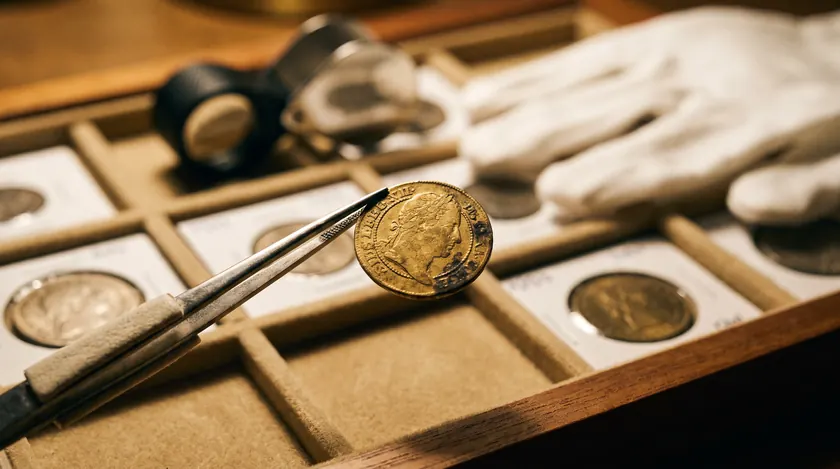
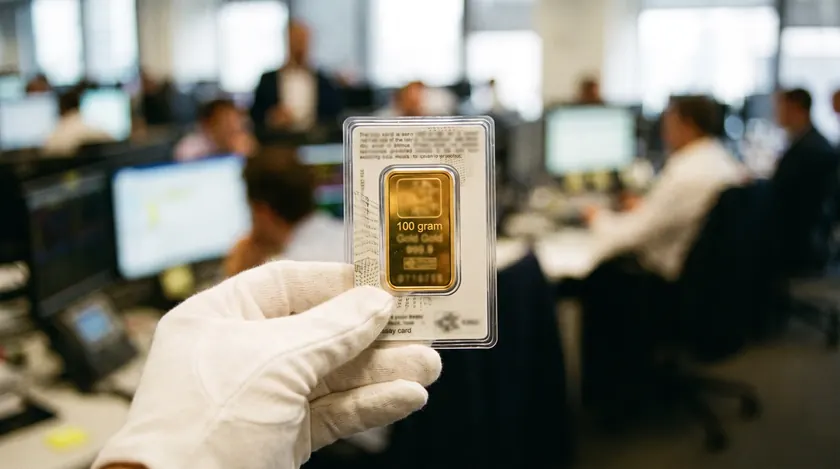
Buy gold in Hong Kong
Tax-free bars and coins, sourced through registered dealers.
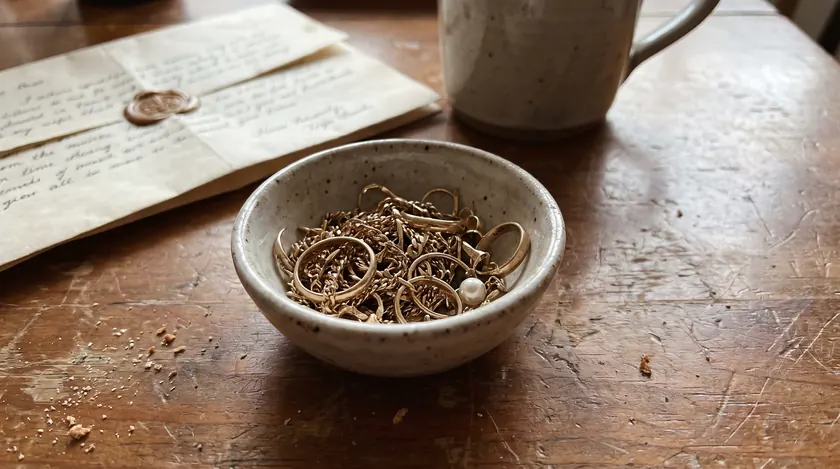
Sell gold in Hong Kong
Assay-first valuation for bullion, jewellery and estates.
Hong Kong is the freest of the three hubs we cover, on paper: no VAT, no GST, no sales tax and no capital gains tax, in any direction. It also has the longest institutional memory. The Hong Kong Gold Exchange, renamed from the Chinese Gold and Silver Exchange Society on 1 January 2025, traces its lineage back to 1910 and still runs the city's physical gold and silver trading through its own assay centre, well ahead of Singapore's policy-built hub or Dubai's souk-and-free-zone mix on sheer history. That depth is also why vintage numismatic coins keep surfacing in old Hong Kong estates, priced on rarity as much as on weight.
Retail trade runs down the Nathan Road corridor from Tsim Sha Tsui to Mong Kok, flagship houses next to dozens of independent gold shops (the nearby Jade Market, despite the name association, trades jade rather than gold). Affluent Hong Kong investors nearly tripled their gold allocations year on year according to an HSBC survey reported in mid-2025, from 4% to 11% of portfolios. Spot gold traded near $4,285 an ounce on 25 September 2026, off January 2026's all-time high around $5,600. A government-owned Precious Metals Central Clearing system began trial operation on 7 July 2026, targeting more than 2,000 tonnes of storage within three years.
The venues behind a 116-year trade
Four things define how gold actually moves through the city, from a 1910 exchange to a clearing system that only opened this year.
| Venue | Where | What it is |
|---|---|---|
| Hong Kong Gold Exchange | Sheung Wan | Successor, from 1 January 2025, to the Chinese Gold and Silver Exchange Society founded 1910: the city's physical gold and silver trading venue, with its own assay centre |
| Nathan Road gold corridor | Tsim Sha Tsui to Mong Kok | The retail spine: flagship houses and dozens of independent gold shops (the nearby Jade Market trades jade, not gold) |
| HKIA precious metals vaults | Chek Lap Kok | LBMA-member vault infrastructure in the airport Free Trade Zone, duty-free storage next to the runway |
| Precious Metals Central Clearing | Hong Kong | Government-owned gold clearing and settlement system, trial operation from 7 July 2026, targeting 2,000+ tonnes of storage within three years |
Refining without leaving the territory
Metalor Hong Kong holds LBMA accreditation on-island, so assay-to-settlement can happen without the metal ever leaving Hong Kong, a real advantage if you are selling a large or mixed lot.
What actually trades here
Four formats cover most of what we see move through Hong Kong's dealers.
- 1kg gold bars: the standard institutional format, tax-free in Hong Kong in every direction
- Canadian Maple Leafs: the 24k coin buyers here most often ask to verify, thanks to the mint's Bullion DNA scanning
- Gold sovereigns: Empire-era trade carried these into Hong Kong family holdings, and they still surface constantly as a buyback item
- Gold jewellery and scrap: the core sell-inherited-gold line here, feeding local refiners rather than leaving the territory
Bank counters, heritage jewellers and private desks
Bank counters and heritage jewellers post live buyback prices in public. Specialist private desks sit alongside them, openly marketing confidential handling of estates and collections for anyone who would rather not sell across a public counter. Coin condition matters as much as content here: see Krugerrand vs Maple Leaf vs American Eagle for how the three compare on resale.
Prefer to just ask? Send a short message, we reply the same day.
Talk about Hong KongTax position and the one register that matters
There is genuinely little tax friction to explain. Hong Kong is a free port: import duty applies only to liquor, tobacco, hydrocarbon oil and methyl alcohol, so gold is not dutiable. There is no VAT, no GST, no sales tax and no capital gains tax, under the Financial Services and the Treasury Bureau's prevailing tax policy. There is no gold-specific traveler declaration either, only cash and bearer instruments above HKD 120,000 must be declared.
- No import duty, VAT, GST or capital gains tax on gold
- No gold-specific declaration; only cash and bearer instruments above HKD 120,000
- Cash transactions of HKD 120,000 or more require Category B dealer registration with full AML due diligence
- Mainland China's cross-border personal gold limits are separate, strict and under revision in 2026: verify current PRC rules before any northbound plans
Why the register is worth checking
Every dealer carries Customs and Excise Department registration under the DPMS Registration System, Cap. 615, in force since April 2023, and the register is publicly searchable. That is a genuine trust marker, not a formality: fraud cases here have involved people impersonating exchange members. The same scrutiny applies to the metal itself: see how to verify a gold bar is real for the physical checks worth doing before you pay.
Frequently asked questions
Is gold tax-free in Hong Kong?
Yes, in every direction that matters. Hong Kong is a free port, so gold carries no import duty, and there is no VAT, no GST, no sales tax and no capital gains tax under the Financial Services and the Treasury Bureau's prevailing tax policy. The only duties on the books apply to liquor, tobacco, hydrocarbon oil and methyl alcohol.
Do I need to declare gold at Hong Kong airport?
No, there is no gold-specific traveler declaration. Only cash and bearer instruments above HKD 120,000 must be declared. If you are continuing on to mainland China, its personal gold limits are separate, strict and under revision in 2026, so check current rules before crossing that border specifically.
What is the Hong Kong Gold Exchange?
The successor, from 1 January 2025, to the Chinese Gold and Silver Exchange Society, founded in 1910. It is the city's physical gold and silver trading venue in Sheung Wan and runs its own assay centre, giving Hong Kong 116 years of continuous institutional history in the trade.
How do I know a Hong Kong gold dealer is legitimate?
Check Customs and Excise Department registration under the DPMS Registration System, Cap. 615, in force since April 2023. The register is public and searchable, and it is worth the two minutes: fraud cases here have included people impersonating exchange members.
Talk to us about Hong Kong
Buying, selling or just comparing a payout quote: tell us which, and we take it from there.
Talk about Hong Kong