Quiet by design, documented by law
Selling Inherited Gold Discreetly: Dubai, Singapore, Hong Kong
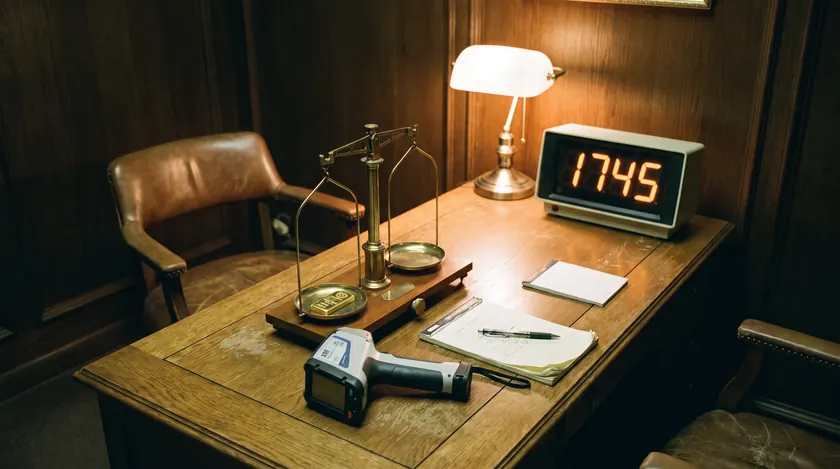
Gold is the asset families say least about, which is why so much of it arrives at this desk in biscuit tins and bank boxes rather than portfolios: a drawer of bangles from a grandmother in Dubai, a stack of coins a father bought across thirty quiet years, jewellery nobody will wear again. The heirs rarely want a public process. They want the metal valued fairly, sold lawfully and converted to money without the family's affairs becoming conversation.
Discretion and legality are not in tension here; the discreet route is simply the professional one. This guide covers how to handle an inherited collection quietly in each of our three hubs, what to do with coins before anything is sold, and the identity and inheritance checks that a legitimate private sale will always include, because a buyer who asks nothing is the one to walk away from.
Why sell inherited gold discreetly at all?
Three reasons, and none of them involve secrecy from the law.
Safety first: a household known to be liquidating a gold inheritance is a target, and the public routes, shop counters with queues, marketplace listings, auction catalogues with the family name, all advertise exactly what should stay unadvertised. Family privacy second: estates are sensitive, relatives talk, and a quiet sale completed before opinions form spares everyone the commentary. And value third, which surprises people: the public routes are often the worst-priced ones, because walk-in counters price for tourists and listings attract hagglers, while a private desk prices against the live spot rate in a transaction with no audience.
What discretion means in practice at this desk: appointments rather than counters, no names in any published record of ours, payment by bank transfer to the estate or heirs, and the metal assayed and priced in front of you. It never means skipping identity or provenance checks; those protect the seller as much as anyone.
What to do with inherited gold coins before any sale
Coins are where heirs lose the most money fastest, because the irreversible mistakes happen before a buyer is even found.
Do not clean them. Ever. A collector coin's surface is part of its value, and a polished rarity becomes bullion in thirty seconds of well-meant effort. Do not sort by shininess, sell 'the old ones' first, or let any buyer quote the whole box at one melt price. Instead, photograph everything, list what is identifiable, and separate the obvious bullion, such as Krugerrands, Maple Leafs and modern sovereigns, from anything that might be more: unusual dates, proof finishes, pre-1933 pieces, coins in original cases or with papers.
Bullion coins price cleanly against spot, and our guide on how to sell gold coins covers that mechanics in detail. Anything potentially numismatic deserves identification before any melt figure is accepted; the gap between metal value and collector value can be enormous, and it only pays the heir who checked. We flag suspected collector pieces as standard when a collection crosses this desk.
A photo set of the collection, laid out on a plain surface, is enough for a first private read of what you have. No names needed beyond WhatsApp itself.
Message the desk on WhatsAppSelling inherited gold jewellery in Dubai, away from the souk
Dubai is a natural place to sell inherited jewellery, home to one of the world's great gold markets and deep buy-side liquidity, but the famous routes are the least discreet in this guide. The souk is theatre: wonderful to visit, poorly suited to an heir carrying a late mother's bangles past fifty storefronts, and the prices quoted to a visibly uncertain seller reflect it.
The quiet alternative is an appointment at a private dealing desk: the jewellery is weighed and tested piece by piece in front of you, priced at a stated percentage of the day's spot value for its tested karat, with stones and any signed or branded pieces identified before anything is treated as scrap, since a maker's name can be worth more than the metal.
Our Dubai inherited gold guide covers the emirate's specifics, succession paperwork and reporting thresholds included, and the sell gold in Dubai page carries the city's current process. Same-day bank transfer against an agreed assay is the norm, not a favour.
How to sell gold discreetly in Singapore
Singapore suits heirs who value process, and its dealing culture is built for exactly the quiet transaction this guide describes. Established dealers work from offices and private rooms rather than street counters, by appointment, with testing done in front of the client and settlement to a bank account as the default. For a resident heir, or a family whose inherited metal already sits in a Singapore vault or safe deposit box, the entire sale can happen without the gold ever appearing in public.
Two local notes matter. Selling investment-grade bars and coins is straightforward and the buy-side is deep; the city's dealers know the cast and minted bars and major coins at sight, and provenance questions are routine rather than suspicious. And Singapore polices cash seriously: its rules on large cash transactions are part of why transfers are the standard settlement, and a bank trail into the executor's account is exactly what a clean distribution to heirs later needs. The sell gold in Singapore page sets out the current mechanics and what to bring to a first appointment.
How to sell gold discreetly in Hong Kong
Hong Kong offers the simplest tax picture of the three hubs, with no VAT or GST complicating a sale, and a trade that has priced family gold for generations: this is a city where inherited Chinese wedding jewellery, chuk kam pieces of very high purity, is understood at sight rather than squinted at. For collections with that character, Hong Kong buyers are often the most fluent in what they are looking at.
Discretion works the same way it does elsewhere: skip the pawnshop windows and tourist-district counters and deal by appointment, in an office, with testing in view and settlement by transfer. The trade clusters around Central and Tsim Sha Tsui, and serious buyers accommodate private sessions as a matter of course.
The sell gold in Hong Kong page covers the local process. One boundary worth naming: mainland China's rules on moving gold are separate and stricter, so inherited metal physically located there is its own conversation before any Hong Kong sale is planned.
Discreet is not undocumented: the checks a legitimate sale includes
Every reputable buyer in all three hubs operates under anti-money-laundering obligations, so a discreet sale still involves identity verification, and for estates, some evidence of the seller's right to sell. Expect to show ID in every hub, and expect questions about where the gold came from; 'my late father's collection, here is the documentation' is an answer buyers hear weekly and respect.
For the estate side, what helps varies by jurisdiction but follows a pattern: the death certificate, whatever instrument names the executor or heirs, and, where several heirs share the inheritance, their written consent to the sale. We are a dealing desk, not lawyers, and estates with complexity should have their own counsel confirm the position in the relevant country.
The red flag runs the other way: a buyer who wants no ID, offers cash above reporting norms and asks nothing about provenance is not offering discretion. They are creating a problem that surfaces later, at valuation time, at tax time or at the border. The quiet, documented route protects the family twice: from attention now and from questions afterwards.
If you can choose the hub: matching the collection to the city
Families with inherited gold in one country and heirs in another often can choose where to sell, and the collection itself should drive the choice.
As a working rule: predominantly 22k and 21k jewellery finds its deepest and most fluent buy-side in Dubai; investment bars and mainstream bullion coins sell cleanly in all three hubs, with Singapore's process culture making it the most comfortable venue for large or vaulted holdings; and high-purity Chinese jewellery and tael-based pieces are best understood in Hong Kong. Mixed collections, which is most inheritances, do not need splitting across cities; they need one desk that prices each category honestly, which is precisely the service this one exists to provide.
If the gold must fly to reach the sale, read our guide to carrying gold through airports legally first, because every hub has declaration rules and the thresholds are real. And if moving it feels unwise, say so: a sale can usually be arranged around the metal rather than dragging the metal to the sale.
Frequently asked questions
Is it legal to sell inherited gold for cash?
Selling inherited gold is legal in all three hubs; the cash question is about thresholds. Each jurisdiction restricts or reports large cash transactions, which is one reason bank transfer is the standard settlement at reputable desks, and a transfer into the estate or heir's account is also the cleanest record for later distribution among family members. If someone insists on paying large sums in untraceable cash, treat it as a warning, not a convenience.
Will the buyer report my sale to anyone?
Legitimate buyers keep the records their regulators require, including identity checks and transaction records above local thresholds; that is compliance, not publicity, and it does not put your family's affairs in public view. What a professional desk never does is publish, list or discuss your collection. Any tax consequences of selling depend on your own residence and circumstances, which is a question for your tax adviser rather than a dealing desk.
Should I melt inherited jewellery before trying to sell it?
No, and please do not let anyone talk you into it. Melting destroys exactly the things that might be worth more than the metal: maker's marks, signed pieces, period craftsmanship and the option of selling items intact to jewellery buyers. Melt value is the floor of an inherited collection, not its ceiling, and a proper assessment identifies which pieces deserve better before anything irreversible happens.
The inheritance includes coins, bars and jewellery together. Do I need three buyers?
No, you need one desk that prices all three honestly: bars against spot and their brand, bullion coins at their market premiums, potential collector coins identified before any melt quote, and jewellery assessed for both metal and maker. Splitting a collection across specialist buyers occasionally adds value for exceptional pieces, and an honest first assessment will tell you if yours is that case.
Start with a private, no-obligation read
Send photos of the collection and the city where it sits. You get a written view of what you have, what route fits each part, and what a fair sale looks like, quietly.
Message the desk on WhatsApp